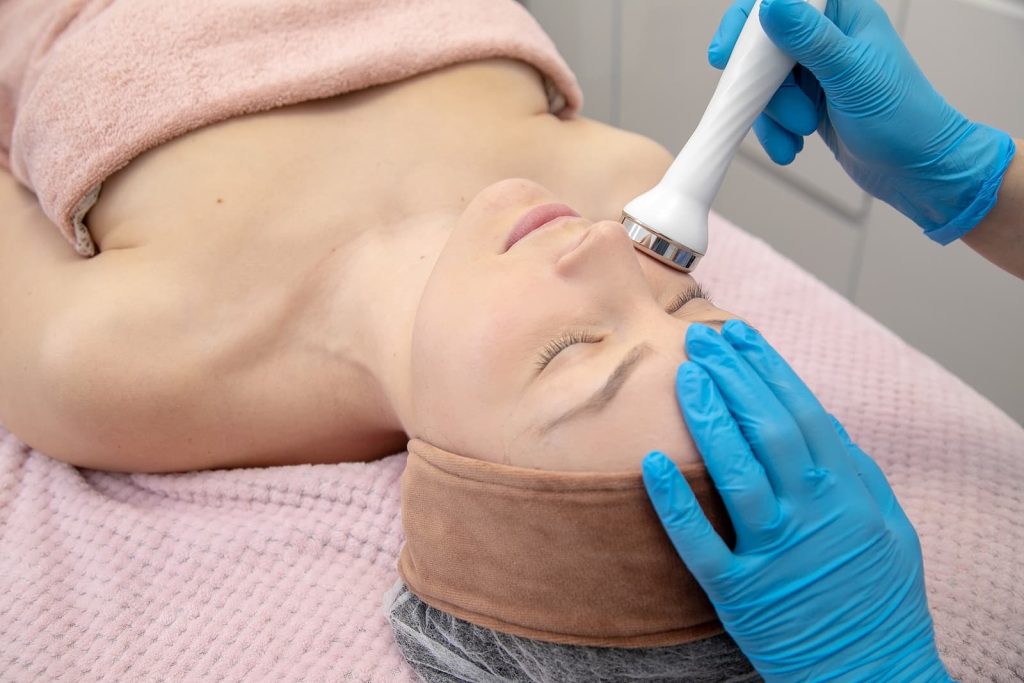
After a summer of sunshine, heat, swimming and time outdoors, your skin may look and feel different. It can become dehydrated, dull or rough, while existing pigmentation and uneven tone may appear more noticeable.
You may be curious about what a HydraFacial can do for sun-damaged, dry skin. It can be a useful treatment for refreshing the skin, improving hydration and addressing some of the surface concerns that can become more apparent after summer.
How can summer affect your skin?
Sun exposure is one of the biggest environmental factors affecting the appearance of skin. Even when you have been careful with SPF, spending more time outdoors can leave skin feeling dry and looking less radiant.
Dehydration can make fine lines appear more noticeable, while a build-up of dead skin cells can contribute to a rough or lacklustre appearance. Sun exposure can also contribute to uneven pigmentation.
What does a HydraFacial do?
HydraFacial is a multi-step facial treatment that combines cleansing, exfoliation, extraction and hydration.
Rather than simply applying products to the surface of the skin, the treatment uses specialist technology to cleanse and refresh the skin while delivering hydrating and nourishing serums.
Deep cleansing and exfoliation
The treatment helps remove surface impurities and dead skin cells, while extraction can help clear congested pores. This can leave the skin feeling cleaner and smoother.
For skin that feels clogged or looks dull after summer, this cleansing element can be particularly appealing.
Replenishing hydration
One of the key features of HydraFacial is the use of hydrating serums during treatment. Adding moisture can help dehydrated skin look plumper and more refreshed. Good hydration can also make the complexion appear smoother and give it a healthy-looking glow.
Improving the appearance of texture and tone
By removing dead surface cells and supporting hydration, HydraFacial can help improve the appearance of uneven texture and dullness.
It may also be incorporated into a wider treatment plan for people concerned about the appearance of fine lines or uneven pigmentation.
However, significant or persistent pigmentation and other signs of sun damage may require a more targeted treatment following professional assessment.
Are there results after one treatment?
One of the attractions of HydraFacial is that the skin can look smoother, brighter and more hydrated after a single treatment, with little to no downtime for most people.
That makes it an appealing option if you have an event coming up or simply want to refresh your complexion after summer. However, results vary, and maintaining improvements may involve repeat treatments alongside an appropriate home skincare routine.
Is HydraFacial enough for sun damage?
It is important to distinguish between improving the appearance of dehydrated, dull or uneven skin and treating actual sun damage.
HydraFacial can refresh the skin and address several surface-level concerns, but it cannot reverse all forms of UV-related damage. If you have new or changing pigmentation or any concern about possible sun damage, speak to an appropriate healthcare professional.
For general post-summer skin rejuvenation, however, HydraFacial can be a useful way to give your complexion some extra attention as autumn begins.